TL;DR
Learn how mortgage brokers can use a loan processing virtual assistant to improve file velocity without blurring compliance boundaries.
Use this practical US operating guide to delegate repetitive workflows, tighten QA, and reduce borrower communication gaps.
Track ROI with clear 30/60/90-day KPIs tied to condition cycles, turn times, and team capacity.
Table of Contents
- Introduction
- What does a loan processing virtual assistant do for mortgage brokers?
- Which broker tasks should be delegated first?
- How do you reduce condition-cycle delays with VA support?
- What compliance boundaries must brokers enforce?
- What KPIs prove ROI in 30/60/90 days?
- 30/60/90 onboarding blueprint for broker teams
- Operating checklist (copy/paste)
- Advanced execution playbook for broker operations leaders
- Final Thoughts
Introduction
If you are trying to scale mortgage volume without burying licensed staff in admin noise, start with the broader insurance industry page for role and staffing context.
Most broker teams hit the same ceiling. Lead flow improves, pre-approvals rise, referral channels start working—and then the file pipeline stalls. Documents arrive in fragments, condition lists bounce back and forth, and loan officers become part-time status chasers instead of revenue operators.
A loan processing virtual assistant solves that bottleneck when the role is scoped correctly. This is not about replacing regulated decision-making. It is about building reliable execution around checklist flow, borrower follow-up cadence, LOS hygiene, and handoff discipline so your processors and brokers can focus on high-leverage decisions and relationship work.
This guide gives you a full operating model for US brokerages: what to delegate, what not to delegate, how to protect compliance boundaries, how to onboard for quality, and how to prove financial value in 30, 60, and 90 days.
For related implementation guidance, see Mortgage Processing Virtual Assistant Guide for US Lenders, Virtual Assistant Onboarding Checklist for 2026, Virtual Assistant Cost Calculator Guide for SMB Teams, How to Hire a Virtual Assistant for Small Business in 2026, and How to Hire Remote Talent Without Recruiting Fees.
For factual framing and borrower-facing standards, this article references public guidance from CFPB mortgages, HUD homeownership resources, Fannie Mae Selling Guide, Freddie Mac Guide, and NMLS Consumer Access.
What does a loan processing virtual assistant do for mortgage brokers?
Snippet answer: A loan processing virtual assistant owns repeatable broker-side workflow execution—file setup support, checklist tracking, borrower reminders, condition queue updates, and status reporting—under documented supervision from licensed broker leadership.
The role exists to create consistency across repetitive processing work. Teams that define the role as “help with files” usually get messy results. Teams that map exact workflow lanes usually get measurable improvements within the first month.
Typical broker-use responsibilities include:
- Initial file intake and document checklist preparation from approved templates.
- Borrower outreach for missing documents and deadline reminders.
- LOS update support using source-of-truth documents.
- Condition list tracking with due-date flags and escalation tags.
- File naming/indexing standards for retrieval speed.
- Daily/weekly pipeline status summary prep for team meetings.
- Closing handoff support and scheduling coordination.
Broker model vs lender model: key difference
Broker teams usually manage higher variability in lender overlays, communication routes, and referral-source expectations. That means your assistant must be trained on:
- Lender-specific submission packaging rules.
- Internal rules for “ready-to-submit” definition.
- Borrower communication standards by file stage.
- Exception pathways when documents conflict.
In short: same core mechanics as lender operations, but more edge-case routing and communication intensity.
Where this role drives immediate operational gains
Most brokerages see gains in:
- Faster doc completion cycles.
- Lower processor interruption frequency.
- Better visibility of stalled files before they become late closings.
- More stable borrower communication, reducing panic-driven churn.
When you remove chaos from the middle of the pipeline, pull-through quality usually improves as a side effect.
Which broker tasks should be delegated first?
Snippet answer: Start with low-risk, high-frequency tasks tied to document flow and status communication, then scale to medium-complexity support once QA performance is stable.
The biggest delegation mistake is starting with complex exception workflows before fundamentals are stable. You want quick wins that build trust and data.
Phase 1 tasks (delegate immediately)
- Checklist distribution and follow-up tracking.
- Document intake confirmation and indexing.
- File completeness checks against predefined requirements.
- Routine borrower reminder cadence.
- Pipeline board updates and stage timestamps.
- Calendar coordination for calls, follow-ups, and handoffs.
These tasks are structured, measurable, and easy to QA.
Phase 2 tasks (delegate after stability)
- Pre-submission package assembly support.
- Condition-response packet preparation.
- Preliminary discrepancy flagging for processor review.
- Lender portal checklist mapping support (non-decisioning).
Phase 2 should begin only after your Phase 1 quality score is reliably strong.
Tasks to keep with licensed/internal decision owners
- Borrower advice that may be interpreted as legal/financial guidance.
- Policy interpretation or underwriting judgment.
- Final approval, denial, or compensating-factor logic.
- Any communication requiring NMLS-licensed authority.
- Exception approval outside documented SOP boundaries.
The practical rule
Delegate execution, not judgment. If a task includes interpretation risk, route to licensed owners.
How do you reduce condition-cycle delays with VA support?
Snippet answer: You reduce delay by combining strict condition ownership, timestamped follow-up cadence, escalation triggers, and one source of truth for file status.
Condition cycles slow down for predictable reasons: unclear ownership, weak reminder rhythm, and inconsistent file logs. Virtual support helps only when you treat conditions like an operations queue, not scattered email threads.
Build a condition command center
Create a shared tracking layer with required fields:
- File ID and borrower name.
- Condition item description.
- Owner (assistant vs processor vs broker).
- First request timestamp.
- Latest borrower response timestamp.
- Next action and due date.
- Escalation flag status.
No field, no progress. This prevents invisible stalls.
Follow-up cadence that actually works
Use an explicit cadence:
- Day 0: initial condition request with clear instructions.
- Day 1: reminder with checklist summary.
- Day 2: escalation notice if still incomplete.
- Day 3+: processor/broker intervention path.
Many teams skip the escalation trigger, then wonder why files drift.
Set micro-SLAs per step
Examples:
- Condition queue update within 60 minutes of new status.
- Borrower receipt confirmation within 2 business hours.
- Discrepancy flag escalation within 1 business hour.
- Daily file-risk summary before pipeline standup.
Micro-SLAs turn vague urgency into measurable behavior.
Design clear escalation triggers
Escalate when:
- A condition is open beyond target timeline.
- Submitted documents conflict materially.
- Borrower frustration or confusion risk is detected.
- Lender asks for non-standard clarification.
Escalation should include all context needed for immediate action—not “please review” with zero details.
Common delay killers
- Replacing long email threads with structured condition logs.
- Using standardized borrower request templates.
- Closing loops with explicit “received and accepted” messages.
- Reviewing queue health daily, not weekly.
These are boring mechanics. They are also where speed lives.
What compliance boundaries must brokers enforce?
Snippet answer: Brokers must enforce strict role boundaries, least-privilege access, auditable SOPs, and licensed oversight for all decision-sensitive interactions.
Mortgage operations can move fast without getting sloppy, but only if boundaries are explicit.
Access and security controls
- Grant least-privilege system access only.
- Segment credentials through secure vault workflows.
- Restrict sensitive-field edits unless approved.
- Review permissions on a fixed schedule.
- Keep activity logs for QA and incident response.
SOP and template governance
For every delegated task, document:
- Purpose and owner.
- Input requirements.
- Step-by-step actions.
- Completion definition.
- QA checks.
- Escalation threshold.
- Revision history.
Templates should be versioned and approved. Free-form borrower messaging is where risk sneaks in.
Compliance-safe communication framework
Assistant messages should:
- Use plain language and request-specific documentation lists.
- Avoid interpretation-heavy guidance.
- Route policy questions to licensed staff.
- Confirm receipt and next steps clearly.
This protects both borrower experience and regulatory posture.
QA framework for broker teams
Use two layers:
- Daily light QA: spot-check active files for checklist, timestamp, and communication compliance.
- Weekly deep QA: sample files across different lenders and complexity tiers.
Track QA by error category so you can fix root causes instead of repeating reminders.
Red-flag scenarios requiring immediate handoff
- Borrower asks whether a specific action is “allowed” under policy.
- Income/asset documentation creates eligibility uncertainty.
- Non-standard document substitutions are requested.
- Escalating borrower dissatisfaction threatens fallout.
The assistant should escalate with context package, not wait for next scheduled meeting.
What KPIs prove ROI in 30/60/90 days?
Snippet answer: The strongest ROI evidence combines speed, quality, and capacity indicators: shorter condition cycles, lower rework, higher SLA compliance, and more licensed-team time recovered.
Most teams over-index on hourly savings. That is not the full picture. You want pipeline performance metrics tied to revenue outcomes and team capacity.
30-day KPI focus (stability)
Track early execution quality:
- Checklist completion within SLA.
- Response-time compliance for borrower reminders.
- File indexing accuracy.
- Escalation timeliness.
Goal: establish trust in basic process consistency.
60-day KPI focus (throughput)
Track flow and delay reduction:
- Average condition resolution time.
- Open-condition aging by file stage.
- Re-opened condition rate.
- Average processing-stage duration.
Goal: prove the pipeline is moving faster and with fewer loops.
90-day KPI focus (business impact)
Track operational leverage:
- Licensed staff hours recovered from admin tasks.
- Processor file capacity per month.
- Borrower communication satisfaction proxy (response/complaint trend).
- Fall-through risk indicators linked to processing friction.
Goal: show sustainable gains, not short-term cleanup effects.
A simple ROI formula for broker teams
- Calculate monthly admin hours currently done by licensed staff.
- Estimate safe delegation share.
- Multiply by blended licensed labor value/hour.
- Add value from reduced delay and rework.
- Subtract program cost (assistant + tools + QA time).
Example:
- Licensed admin load: 70 hours/month.
- Delegable share: 60% = 42 hours.
- Blended value/hour: $130.
- Recovered value: $5,460.
- Net program cost: $2,300.
- Net operating value: $3,160/month before secondary gains.
Secondary gains can include stronger referral retention due to smoother borrower experience.
30/60/90 onboarding blueprint for broker teams
A structured rollout beats ad-hoc hiring every time.
Days 1–30: foundation and control
- Map broker pipeline stages and lender overlay variance.
- Finalize delegation matrix and escalation map.
- Train SOPs, templates, and QA process.
- Launch with low-risk tasks only.
- Audit every delegated file.
Deliverable: stable baseline with acceptable QA score.
Days 31–60: throughput optimization
- Expand into controlled medium-complexity support.
- Tighten micro-SLAs based on observed delays.
- Standardize condition handoff packets.
- Add weekly trend review and corrective action log.
Deliverable: measurable cycle-time improvements.
Days 61–90: scale readiness
- Shift QA from full review to rules-based sampling.
- Build backup coverage and workload balancing logic.
- Add monthly governance for capacity planning.
- Lock KPI thresholds and accountability owners.
Deliverable: repeatable system ready for higher volume.
Operating checklist (copy/paste)
- [ ] Delegation matrix approved and current.
- [ ] Compliance-sensitive tasks excluded from VA ownership.
- [ ] SOPs versioned with named owners.
- [ ] Borrower templates approved and controlled.
- [ ] Condition queue fields standardized.
- [ ] Escalation triggers documented and active.
- [ ] Daily and weekly QA cadences scheduled.
- [ ] 30/60/90 KPI dashboard live.
- [ ] Coverage plan defined for absences and volume spikes.
- [ ] Governance meeting cadence on calendar.
If these ten boxes are checked, you have a system. If not, you have effort.
Advanced execution playbook for broker operations leaders
Once the core workflow is stable, broker teams can extract significantly more value by tightening how they run handoffs between sales, processing, and closing coordination.
Build a handoff contract between loan officers and processing support
Most delays begin before processing officially starts. A handoff contract fixes that. Define required elements that must be present before a file enters active processing support:
- Borrower profile summary with key risk notes.
- Product/lender target assumptions.
- Document status baseline.
- Urgency flags and lock-related timing constraints.
- Designated owner for escalation decisions.
If a file does not meet handoff requirements, it should be routed back immediately. Accepting incomplete handoffs creates downstream chaos.
Use queue segmentation to prevent hidden bottlenecks
Do not treat all files as one giant queue. Segment by urgency and complexity:
- Rate-lock sensitive files.
- First-time buyer files requiring more explanation support.
- Standard W2 profile files.
- Self-employed or documentation-complex files.
Queue segmentation lets your assistant prioritize correctly and helps leadership see where delays cluster.
Create a weekly root-cause review loop
Beyond daily firefighting, run one structured weekly review focused on recurring friction points:
- Top three delay causes by count.
- Top three rework causes by severity.
- Borrower communication breakdown patterns.
- SOP sections creating ambiguity.
- Corrective action owner and due date.
Without root-cause reviews, teams repeat the same mistakes and call it “high volume.”
Define quality thresholds before scaling workload
Before expanding file volume per assistant, set minimum quality thresholds such as:
- 95%+ checklist accuracy over two consecutive weeks.
- below 10% condition re-open rate on delegated workflows.
- 90%+ SLA compliance on borrower follow-up cadence.
- 100% escalation adherence for flagged risk events.
If thresholds are not met, scale training and SOP clarity first—not workload.
Borrower communication scripts that improve completion rates
A practical communication framework can materially reduce back-and-forth delays.
Use these script principles:
- Put the exact requested document name in the first sentence.
- Explain one-line reason (“needed to verify X”).
- Include accepted format examples.
- Add clear due date and upload method.
- Confirm what happens next once received.
Clear messaging reduces confusion and duplicate submissions, which directly improves cycle speed.
Team rituals that protect consistency
Adopt lightweight rituals that keep quality high without adding meeting bloat:
- 10-minute daily queue sync.
- End-of-day exception digest.
- Friday QA trend review.
- Monthly SOP refresh checkpoint.
These rituals are simple but powerful because they force operational visibility.
When to add a second assistant
Add capacity only when the first lane is stable and documented. A useful signal set:
- Current assistant’s queue consistently exceeds SLA despite high quality.
- SOP coverage is complete for top 80% of recurring tasks.
- QA process can support a larger sample set without blind spots.
- Leadership has a clear ownership map for expanded team governance.
If these conditions are not true, adding headcount often multiplies inconsistency.
Leadership dashboard for monthly decisions
A leadership-grade dashboard should include:
- Active pipeline volume by stage.
- Average days in stage vs target.
- Condition aging buckets.
- Re-open rates by category.
- Borrower communication SLA adherence.
- Rework hours trend.
- Licensed-team admin-hours recovered.
This dashboard helps you make staffing and process decisions from data instead of anecdotes.
The non-negotiables
At scale, broker operations succeed when these three non-negotiables are enforced:
- Every delegated task has a written SOP.
- Every exception has a named escalation owner.
- Every KPI trend has an action owner.
Skip any one of those, and performance drifts fast.
Final Thoughts
A loan processing virtual assistant is not a band-aid for broken broker operations. It is a leverage layer that works only when paired with clear task boundaries, measurable SLAs, and disciplined escalation.
Start with low-risk process lanes. Build quality data before expanding scope. Keep judgment work with licensed owners. Use KPI trend reviews to improve the system every month instead of waiting for pipeline pain.
If you execute this model well, your team gets faster cycle times, cleaner file flow, and more broker capacity for the work that actually grows revenue. For broader financial-services staffing context, anchor planning to the insurance industry page, and connect implementation with Virtual Assistant Onboarding Checklist for 2026 and How to Hire Remote Talent Without Recruiting Fees.
The winning teams are not doing magic. They are just operationally ruthless about consistency.
Explore related hiring options
Useful next pages based on this article's topic:
- Remote Policy Admin Specialist role — policy workflows, endorsements, and renewals
- Claims Processing service — faster claims handling and reduced admin drag
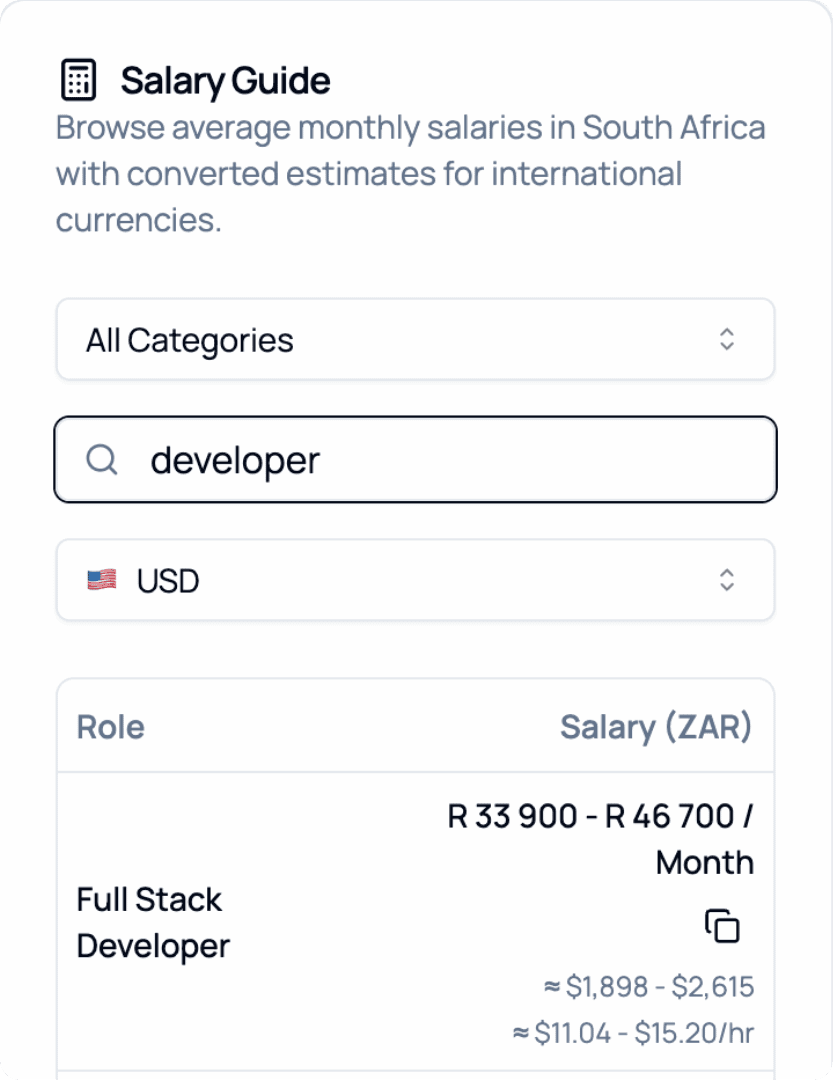
2026 Salary Guide: South Africa
Discover South African Salaries by Role. Compare costs and see how much you can save.