TL;DR
Learn how broker teams can use a mortgage post-closing follow-up virtual assistant to prevent trailing-document backlogs and post-close rework.
Use this practical US playbook to manage post-funding checklists, exception resolution, QC follow-up, and cross-party coordination.
Track post-closing ROI with 30/60/90-day KPIs tied to backlog reduction, SLA reliability, and recovered licensed-team capacity.
Table of Contents
- Introduction
- What does a post-closing mortgage VA do?
- Which post-closing tasks should broker teams delegate first?
- How do you prevent trailing-document and exception backlog?
- What compliance boundaries apply in post-closing workflows?
- Which KPIs prove post-closing support ROI in 30/60/90 days?
- 30/60/90 rollout blueprint for post-closing support
- Advanced operating framework for broker leadership
- 12-week post-closing stabilization program (operator version)
- KPI interpretation guide (to avoid false wins)
- SOP architecture for durable post-close quality
- Queue design: the practical template
- Communication standards that reduce friction
- Leadership dashboard (monthly)
- Common failure modes and direct fixes
- Post-close daily checklist (quick runbook)
- Final Thoughts
Introduction
If your team is great at getting to closing but weak at post-close discipline, anchor your operating model to the insurance industry page, then use this guide to fix what happens after the deal is “done.”
Most broker teams celebrate a funded loan, then let operational focus drift. That is exactly when trailing-document queues, unresolved exceptions, and file-completeness gaps begin to pile up. Left unmanaged, post-close backlogs quietly drain processor capacity, increase compliance exposure, and create painful cleanup work later.
A mortgage post-closing follow-up virtual assistant solves this when the role is clearly scoped. This is not a decisioning role. It is an execution role built around checklist discipline, deadline ownership, QC follow-up, and escalation control.
This guide gives US broker teams a full system for delegated post-closing workflows: what to assign, what to retain internally, how to run QA, and how to prove ROI in 30/60/90-day windows.
For upstream coordination context, see Mortgage Processing Virtual Assistant Guide for US Lenders, Loan Processing Virtual Assistant Guide for US Mortgage Brokers, Mortgage Underwriting Support Virtual Assistant Guide for US Broker Teams, and Mortgage Closing Coordination Virtual Assistant Guide for US Broker Teams.
For compliance context and borrower standards, this guide references CFPB mortgage resources, HUD homeownership resources, Fannie Mae Selling Guide, Freddie Mac Guide, and NMLS Consumer Access.
What does a post-closing mortgage VA do?
Snippet answer: A post-closing mortgage VA executes repeatable after-close workflows—trailing-document tracking, file-completeness checks, post-funding checklist control, exception routing, and status reporting—under documented broker-team supervision.
The post-closing lane is where operational maturity shows. Teams that treat this stage casually create expensive hidden debt.
Typical responsibilities include:
- Post-close checklist management by file and due date.
- Trailing document request/follow-up cadence.
- File audit support for completeness and indexing quality.
- Exception log maintenance and escalation packet prep.
- LOS post-close milestone updates and status hygiene.
- Cross-party coordination support (internal + title/escrow/lender touchpoints).
- Weekly backlog reporting for operations leadership.
Role boundaries that prevent risk
Use a strict 3-lane model:
- Execution lane: checklisting, tracking, reminder cadence, status updates.
- Exception-prep lane: discrepancy documentation, context packaging, escalation timing.
- Decision lane: policy interpretation, legal/compliance judgments, final approvals.
The VA should own lane 1, support lane 2, and never own lane 3.
Why this role matters more than most teams assume
Post-close gaps rarely explode immediately. They compound. Small misses become backlog clusters, then turn into multi-week cleanup projects. A dedicated post-closing support lane prevents that compounding failure pattern.
Which post-closing tasks should broker teams delegate first?
Snippet answer: Delegate high-frequency, rules-based tasks first—post-close checklist tracking, trailing-doc follow-up, status hygiene, and queue reporting—then scale into structured exception support after quality thresholds hold.
Start where repeatability is highest.
Phase 1 delegation (immediate)
- Checklist due-date tracking.
- Trailing document follow-up reminders.
- Post-close file indexing and naming consistency checks.
- LOS stage/status update support.
- Weekly backlog summary prep.
- Appointment/task coordination for unresolved items.
Phase 2 delegation (after stability)
- Exception packet prep for unresolved post-close issues.
- QC follow-up coordination based on audit findings.
- Rework queue prioritization support.
- Multi-party timeline synchronization support.
Keep in-house / licensed ownership
- Policy interpretation affecting compliance posture.
- Any legal advice or borrower guidance beyond approved template language.
- Final acceptance/rejection decisions on exception resolution.
- Signoff on compliance-sensitive closure actions.
Delegation principle
Delegate execution intensity. Retain judgment authority.
How do you prevent trailing-document and exception backlog?
Snippet answer: You prevent backlog through SLA-driven queue control, strict checklist enforcement, early risk-tag escalation, and weekly root-cause review tied to SOP updates.
Backlog is usually a design flaw, not a volume surprise.
Build a post-close command board
Every active file should show:
- File identifier and close date.
- Outstanding post-close items.
- Item owner and due date.
- Last action timestamp.
- Risk level (green/yellow/red).
- Escalation owner + decision deadline.
If this data is not visible, backlog will grow silently.
Set non-negotiable micro-SLAs
Suggested baseline:
- New post-close task entered within 2 business hours.
- Follow-up on overdue item every 24 hours.
- Risk-flag escalation within 1 business hour.
- Exception packet completion within same business day.
- Weekly backlog digest published on schedule.
These micro-SLAs create operational rhythm.
Use backlog segmentation for control
Segment by urgency and impact:
- Green: on-track, low risk.
- Yellow: at-risk, needs intervention.
- Red: overdue/blocked, decision needed now.
Without segmentation, teams spend energy on the wrong files.
Repeat-pattern elimination loop
Each week, identify the top 3 recurring backlog causes:
- Category of miss.
- Frequency trend.
- Responsible workflow step.
- SOP or template fix.
- Owner and due date.
No feedback loop means same mistakes, forever.
What compliance boundaries apply in post-closing workflows?
Snippet answer: Post-closing support must enforce least-privilege access, template-governed communication, auditable SOP steps, and immediate escalation for decision-sensitive issues.
Post-close is administrative, but not risk-free.
Access and security controls
- Task-scoped system permissions only.
- Sensitive field edit restrictions.
- Credential handling via secure workflows.
- Logged actions for QA/audit traceability.
- Scheduled access reviews.
Template and communication controls
Use approved templates for:
- Trailing document requests.
- Overdue reminder cadence.
- Exception escalation handoff.
- Status updates to internal stakeholders.
The objective is clarity + consistency, not improvisation.
Hard escalation triggers
Escalate immediately when:
- Item overdue beyond policy threshold.
- Data mismatch indicates potential compliance issue.
- Borrower/legal/policy interpretation request appears.
- Repeated deficiency suggests process-level defect.
Fast escalation prevents operational drift into compliance risk.
QA governance rhythm
- Daily: quick queue and status-integrity checks.
- Weekly: trend and root-cause review.
- Monthly: SOP refresh based on recurring misses.
QA must end in process changes, not just reporting.
Which KPIs prove post-closing support ROI in 30/60/90 days?
Snippet answer: ROI is best measured by backlog compression, SLA reliability, reduced rework, and recovered licensed-team capacity—not just labor cost.
30-day KPI focus (stability)
- On-time checklist update rate.
- Follow-up SLA adherence.
- Escalation response timeliness.
- Queue-data accuracy score.
60-day KPI focus (flow)
- Trailing-doc aging trend.
- Exception backlog volume trend.
- Rework task frequency.
- Average days-to-resolution for post-close items.
90-day KPI focus (business leverage)
- Licensed-team admin hours recovered.
- % of files cleared within target post-close window.
- Repeat-defect reduction trend.
- Team capacity gain without quality decline.
Simple ROI formula
- Measure licensed-team time spent on post-close admin.
- Estimate safely delegable share.
- Multiply by blended internal value/hour.
- Add value from backlog/rework reduction.
- Subtract total program cost (staff + tools + QA oversight).
Predictability and cleanliness are the real compounding benefits.
30/60/90 rollout blueprint for post-closing support
Days 1–30: baseline and structure
- Map current post-close workflow and known bottlenecks.
- Define checklist templates and queue fields.
- Establish SLA thresholds and risk buckets.
- Launch with narrow file segment + full QA coverage.
Deliverable: stable baseline with visible queue control.
Days 31–60: optimization and control
- Expand to larger file volume after KPI stability.
- Run weekly root-cause and SOP update loop.
- Standardize escalation packet quality.
- Tighten communication template language.
Deliverable: measurable backlog reduction and faster resolution times.
Days 61–90: scale and governance
- Move to risk-based QA on stable lanes.
- Add backup coverage for spikes/absences.
- Deploy monthly leadership dashboard.
- Set headcount/volume scale thresholds.
Deliverable: repeatable post-close system with durable KPI discipline.
Advanced operating framework for broker leadership
Build a post-close handoff contract
Before a file enters post-close lane, require:
- Completed close-stage summary.
- Remaining-item inventory.
- Ownership map by task.
- Risk notes and contingencies.
- Due-date and escalation matrix.
No handoff contract, no true operational accountability.
Run a daily 72-hour risk digest
Publish every day:
- High-risk unresolved items due in next 72 hours.
- Required decisions and owners.
- Potential downstream impacts.
- Recovery plan status.
This eliminates surprise failures.
Establish a defect taxonomy
Tag misses consistently:
- Missing document follow-up miss.
- Ownership ambiguity.
- Communication template failure.
- Data update lag.
- Escalation delay.
- SOP gap.
Taxonomy makes improvement work precise.
Scale guardrails before adding more support lanes
Scale only if:
- SLA adherence remains above threshold.
- Backlog aging trend is improving.
- QA pass rates are stable.
- Escalation quality is high.
- Leadership review cadence is active.
If not, optimize design before increasing volume.
Monthly leadership review template
- Which backlog categories are rising?
- Which SOP changes reduced defects?
- Are current staffing levels aligned with risk?
- Where are escalation bottlenecks?
- What one change next month has highest operational ROI?
This keeps decision-making disciplined instead of reactive.
12-week post-closing stabilization program (operator version)
If your team has chronic backlog, run this as a strict 12-week program.
Weeks 1–2: visibility and baseline
- Audit the last 50 post-close files.
- Tag every unresolved item by defect taxonomy.
- Measure current aging buckets (0–7, 8–14, 15+ days).
- Build first version of SLA matrix by task type.
- Assign named owner for every recurring post-close workflow.
Deliverable: baseline dashboard + owner map.
Weeks 3–4: process controls
- Deploy standardized checklist templates by scenario.
- Require mandatory queue fields for every item.
- Introduce risk buckets (green/yellow/red).
- Launch daily 15-minute queue review ritual.
- Enforce same-day escalation packet rule for red items.
Deliverable: controlled daily workflow rhythm.
Weeks 5–6: quality and escalation
- Audit escalation packet quality for completeness.
- Tighten borrower/internal communication templates.
- Add checklist completion threshold gates.
- Route recurring defects into SOP update queue.
- Track correction turnaround by category.
Deliverable: reduced confusion loops and faster escalation decisions.
Weeks 7–8: throughput tuning
- Segment queue by complexity and urgency.
- Introduce owner load balancing rules.
- Track rework events per 100 files.
- Raise SLA adherence targets incrementally.
- Validate that quality remains stable while velocity improves.
Deliverable: throughput gain without quality collapse.
Weeks 9–10: governance hardening
- Move from ad-hoc reporting to fixed weekly KPI packet.
- Review top three persistent defect categories.
- Assign corrective action owner and due date per defect.
- Measure implementation compliance on SOP updates.
- Confirm access controls and permissions remain least-privilege.
Deliverable: governance system with real accountability.
Weeks 11–12: scale-readiness decision
- Compare KPI trends against baseline.
- Assess whether queue aging is structurally improving.
- Validate escalation SLAs remain reliable at current volume.
- Decide whether to expand support lane or optimize first.
- Lock next-quarter goals and ownership structure.
Deliverable: data-backed scale decision.
KPI interpretation guide (to avoid false wins)
Many teams misread early improvements. Use this interpretation framework.
- If queue size drops but aging worsens: low-risk work is getting done while hard items stagnate.
- If SLA improves but defect re-open rate rises: speed is being prioritized over correctness.
- If escalations increase but backlog drops: this can be healthy boundary enforcement.
- If communication volume rises but complaint trend also rises: template clarity is poor.
- If rework decreases but throughput is flat: process quality improved, but capacity design still needs work.
Better interpretation leads to better corrective actions.
SOP architecture for durable post-close quality
Each SOP should include the same structure to reduce ambiguity:
- Workflow purpose.
- Inputs required.
- Step-by-step actions.
- Output definition.
- SLA target.
- QA check.
- Escalation trigger.
- Exceptions and boundaries.
- Owner and reviewer.
- Revision log.
When SOP structure is inconsistent, training time increases and error rates rise.
Queue design: the practical template
Your post-close board should have standardized columns:
- New item logged
- In follow-up
- Awaiting response
- Exception review
- Escalated decision pending
- Resolution in progress
- Closed and verified
Each card should include owner, due date, risk level, and last action timestamp. Without those fields, queue hygiene decays quickly.
Communication standards that reduce friction
At post-close stage, message precision matters. Require these standards:
- Subject line includes file ID and action needed.
- Message starts with one-line objective.
- Required item list is bulleted and specific.
- Deadline includes timezone and exact date.
- Next step and owner are always stated.
This single discipline can reduce repetitive follow-up cycles significantly.
Leadership dashboard (monthly)
A strong monthly dashboard should answer:
- How many post-close items are currently open by aging bucket?
- Which categories produce the most rework?
- Which owners or lanes miss SLA most often?
- How quickly are escalations resolved?
- What is the trend in licensed-team time reclaimed?
Leadership should use this dashboard for decisions, not only reporting.
Common failure modes and direct fixes
-
Failure: queue updates lag behind reality.
Fix: enforce update SLA + random spot audits. -
Failure: same defect repeats every week.
Fix: mandatory SOP change with owner and follow-up verification. -
Failure: escalation packets are vague.
Fix: require issue/evidence/impact/decision/deadline format. -
Failure: too many ad-hoc communication styles.
Fix: template governance with monthly refresh cycle. -
Failure: staffing expands before stability.
Fix: lock scale thresholds tied to SLA + quality metrics.
Post-close daily checklist (quick runbook)
Use this checklist at end of each day:
- [ ] All new post-close items logged with owner and due date.
- [ ] All overdue items received follow-up action.
- [ ] Red-risk items escalated with complete packet.
- [ ] Queue reflects real current status (no stale cards).
- [ ] Borrower/internal update templates used consistently.
- [ ] Next-day priorities confirmed by risk level.
This 10-minute routine prevents small misses from becoming a Friday fire drill and keeps weekly queue quality from quietly degrading.
Final Thoughts
A mortgage post-closing follow-up virtual assistant is one of the cleanest leverage points in broker operations because it prevents hidden backlog debt from accumulating after the close.
When post-close workflows are visible, SLA-driven, and escalation-controlled, teams protect compliance posture, reduce rework, and preserve licensed-team capacity for higher-value work. The goal is not to outsource responsibility. The goal is to operationalize consistency at scale, under pressure, without quality drift consistently.
Keep this system anchored to the insurance industry page, enforce role boundaries, and run weekly improvement loops based on real queue data. Do that for one full quarter, and post-close chaos usually turns into predictable daily execution.
One practical operating truth: post-close work punishes teams that rely on memory and rewards teams that rely on systems. If ownership is visible, deadlines are explicit, and escalation happens early, backlog does not get a chance to become operational debt. If those controls are missing, even high-performing teams eventually drown in cleanup cycles. Build the system once, review it weekly, and defend it relentlessly as volume grows. Teams that do this consistently usually see cleaner audits, lower stress, faster exception resolution, and stronger trust from internal stakeholders.
Explore related hiring options
Useful next pages based on this article's topic:
- Remote Policy Admin Specialist role — policy workflows, endorsements, and renewals
- Claims Processing service — faster claims handling and reduced admin drag
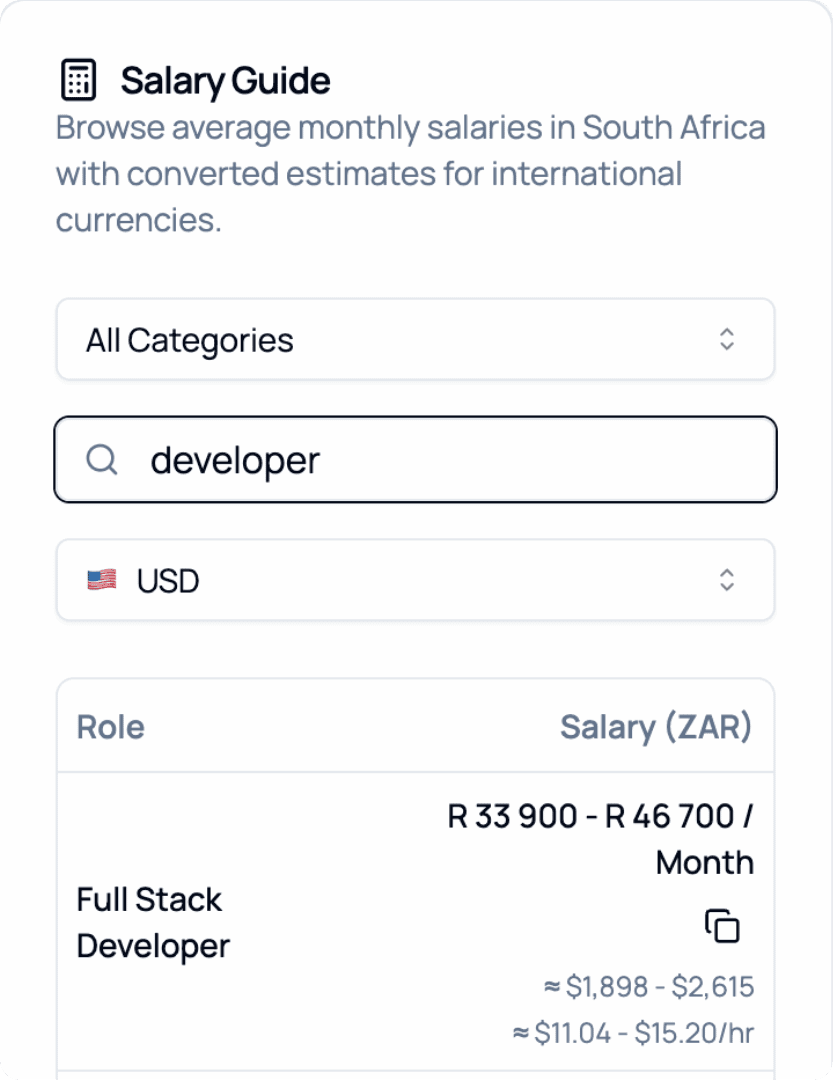
2026 Salary Guide: South Africa
Discover South African Salaries by Role. Compare costs and see how much you can save.