TL;DR
Reduce return rates with "keep it" policies and AI-driven sizing support.
Protect margins by optimizing "safety stock" and standardizing product data.
Hire South African talent to manage RMA workflows and prevent return fraud.
Table of Contents
- How Can Ecommerce Brands Reduce Return Rates Without Hurting Customer Experience?
- What Are the Best Practices for Handling Return Fraud and Policy Abuse?
- How Does Reverse Logistics Impact Profit Margins and Supply Chain Resilience?
- What Role Do Virtual Assistants Play in Returns Authorization and Processing?
- How Do You Calculate Safety Stock and Reorder Points for Scaling Brands?
- What Are the Common Challenges in Multi-Channel Inventory Synchronization?
- How Can Automation and Talent Improve Inventory Turnover Ratios?
- Why Should You Outsource Inventory Monitoring to Specialized Talent?
- Ecommerce Product Catalog Management: Taxonomy, Attributes, and Data Accuracy
- What Is the Impact of Poor Product Taxonomy on User Experience and SEO?
- How Do You Manage Product Attributes Across Multiple Marketplaces?
- What Are the Best Practices for Bulk Product Data Entry and Cleansing?
- How Can Dedicated Catalog Specialists Streamline SKU Proliferation?
- Final Strategy: Resilience Through Human-Centric Operations
- Conclusion
The 2026 ecommerce market isn't just about how many people click "buy." It is defined by how well you handle the items that come back. With global sales projected at over $37 trillion, the barrier to entry is low, but staying profitable is harder than ever. Customer acquisition costs are at record highs, and shoppers expect lightning-fast service. In this environment, your back-end operations—specifically how you manage the "profit paradox" of returns—will determine if your brand scales or stalls.
Managing reverse logistics is no longer just a warehouse task; it is a critical lever for revenue recovery. Many brands find that an ecommerce virtual assistant is the missing link in turning a chaotic returns process into a streamlined loyalty engine. By leveraging specialized talent, you can bridge the gap between digital requests and physical logistics without the overhead of a local team.
How Can Ecommerce Brands Reduce Return Rates Without Hurting Customer Experience?
To reduce return rates while maintaining satisfaction, brands must enhance product clarity through detailed sizing guides and high-fidelity visuals while offering pre-purchase support. Lengthening return windows can surprisingly decrease urgency, while "keep it" policies for low-value items eliminate processing costs, preserving margins and customer loyalty.
The Psychology of "Bracketing" and Pre-Purchase Interventions
One of the most pervasive behaviors driving high return rates in 2026 is "bracketing"—the practice of purchasing multiple variations of a single item with the explicit intent to return those that do not fit or appeal. Research indicates that as many as 63% of online shoppers admit to bracketing, with 30% engaging in the behavior weekly. While this behavior de-risks the purchase for the consumer, it triples the logistics burden for the merchant.
To combat this without alienating customers, brands must shift from passive displays to active, high-touch assistance:
-
Live Chat & Virtual Styling: Implementing real-time support can mitigate bracketing. By choosing to hire virtual assistant south africa talent, brands can offer sizing advice during the shopper's active session.
-
Cultural Affinity: South African agents are uniquely positioned for this due to their high English proficiency, neutral accents, and cultural affinity with Western markets. They can navigate nuanced conversations about fit and fabric that automated chatbots often fail to handle.
-
Enhanced Product Visualization (EPV): Moving beyond static images to include 360-degree videos and User-Generated Content (UGC) provides better context. Seeing a product on a real customer provides more accurate sizing context than a studio photo.
The "Long Window" Paradox
Counterintuitively, extending the return window—for example, from 30 to 90 days—can actually lead to a decrease in return rates. This is rooted in the "endowment effect".
A short 14-day window creates a "use it or lose it" panic, pressuring customers into precautionary returns. A longer window allows the customer to integrate the product into their daily life. As time passes, the item feels less like "store property" and more like "their property," reducing the likelihood of it being sent back. Data confirms that while the window is longer, most returns still happen in the first week; however, the policy itself builds massive trust and conversion.
Operationalizing "Keep It" Policies
For low-margin or heavy items, the economics of reverse logistics often don't make sense. If a $15 item costs $13 to ship back and process, the merchant loses money on the return itself.
-
Algorithmic Decisioning: Brands should use rules-based logic where low-dollar returns trigger an "instant refund" with a message to keep or donate the item.
-
Strategic Friction: This policy must be gated by customer lifetime value (CLTV) and history to prevent abuse.
-
Customer Loyalty: This acts as a surprise-and-delight moment for loyal customers while saving the brand operational headaches.
South Africa has emerged as a global powerhouse for this type of operational support. Brands are increasingly looking to hire talent from south africa because the workforce offers a rare combination of high English proficiency, financial acumen, and a deep cultural affinity with Western markets. Whether you are fighting "bracketing" behavior or trying to recoup value through re-commerce, the right remote team can protect your bottom line.
What Are the Best Practices for Handling Return Fraud and Policy Abuse?
Effective fraud prevention requires a data-driven approach that identifies patterns like wardrobing and serial returning without adding friction for genuine customers. Best practices include tracking serial returners via cross-merchant databases, mandating proof of purchase, and enforcing stricter refund methods, such as store credit, for high-risk accounts.
Identifying and Categorizing Return Fraud
In 2026, return fraud is no longer just about simple theft; it has evolved into sophisticated "social engineering" of store policies. Fraud is estimated to cost retailers billions, necessitating a forensic approach to every Return Merchandise Authorization (RMA).
Common types of fraud include:
-
Wardrobing: The practice of buying an item for a specific event—like a wedding or photoshoot—and returning it afterward. Brands now use 360-degree "shark tags" in visible areas; once removed, the return policy is void.
-
DNA (Did Not Arrive) Claims: Fraudsters claim a package never arrived despite tracking proof. Managing carrier claims requires specialized teams to review delivery photos and cross-reference weight measurements from logistics audit trails.
-
Arbitrage and Receipt Fraud: Bad actors buy discounted items and try to return them to different retailers for full credit, which is why "receipt-free" returns are becoming extinct.
-
Bracketing Abuse: While bracketing is a consumer behavior, returning 100% of items on 10 consecutive orders is a form of policy abuse that degrades inventory availability for real customers.
The "Dynamic Friction" Lever
Modern ecommerce returns management best practices suggest that the returns process should not be uniform for every customer. Instead, brands should apply "dynamic friction" based on risk:
-
The VIP Path: For high-CLTV customers with low return rates, the return should be one-click with an instant refund issued upon the first carrier scan to maximize loyalty.
-
The High-Risk Path: For new customers with high-value orders or those flagged for previous disputes, friction should increase. This might include requiring them to pay for return shipping or holding refunds until physical inspection is complete.
Manual Review Queues
This is where you hire virtual assistant south africa teams as a tactical asset. While algorithms can flag suspicious activity, human judgment is required to decide whether to ban a customer or grant a one-time exception.
South African talent is recognized for high empathy and conflict resolution skills, making them ideal for handling these sensitive "break up" conversations. They can explain account patterns firmly yet professionally, preserving your brand’s reputation while enforcing the rules.
How Does Reverse Logistics Impact Profit Margins and Supply Chain Resilience?
Reverse logistics impacts margins through shipping costs, labor for inspection, and inventory depreciation. Inefficient returns processing locks capital in "dead stock" and increases carrying costs. Optimizing this flow via streamlined RMA workflows and quick restocking is critical to recovering revenue and maintaining supply chain fluidity.
The Hidden Costs of Returns
While many brands bury return costs under "general operational expenses," a granular analysis reveals significant damage to the P&L. The financial hemorrhage isn't just the refund itself; it's the secondary logistics costs that can reach up to 66% of the product's original price.
-
Transportation: Return shipping is often more expensive than outbound freight because returns are less consolidated and lack high-volume discounts.
-
Processing Labor: Every package must be manually opened, inspected, cleaned, re-tagged, and refolded before it can be resold.
-
Depreciation: Seasonal items or fast fashion can lose 20-50% of their value if they aren't back on the shelf within a few days of being returned.
-
Opportunity Cost: Every unit sitting in a return truck or a warehouse pile is "dead stock" that cannot be sold to a customer who wants it right now.
Turning Returns into "Re-Commerce" Revenue
The circular economy is a major trend for 2026. Instead of writing off returned goods as a total loss, smart brands are launching "Pre-Loved" or "Refurbished" sections to recoup value.
When you hire talent from south africa, you can deploy dedicated teams to manage the digital side of this recovery. Once a warehouse grades an item (e.g., "Grade B - Minor Scratch"), a remote specialist updates the listing on Shopify or Magento and adjusts the price dynamically to ensure it moves quickly. If an item is truly unsellable, they coordinate with bulk liquidators to clear warehouse space and secure tax write-offs.
| Cost Component | Impact on Margin | Mitigation Strategy | | :--- | :--- | :--- | | Inbound Freight | High | Use drop-off points (PUDO) to bulk ship returns. | | Processing Labor | Medium/High | Outsource RMA categorization to regions like South Africa. | | Restocking/Packaging | Low/Medium | Use sustainable, reusable packaging to cut costs. | | Inventory Write-off | High | Implement "re-commerce" channels to recover partial value. |
What Role Do Virtual Assistants Play in Returns Authorization and Processing?
Virtual assistants act as the command center for returns, handling RMA authorizations, coordinating with 3PLs for inspection, and managing customer communications. They bridge the gap between the digital request and physical logistics, ensuring rapid refunds to boost trust while filtering out fraudulent claims.
The RMA Command Center
Managing returns is largely a data management task interspersed with customer service. It requires a level of precision and speed that automated systems often struggle to maintain without human oversight.
-
RMA Intake and Triage: When a customer requests a return, a VA reviews the request against your specific policy. They verify if the item is within the return window and if the reason is valid.
-
The "Human Firewall": If a return requires photo evidence—such as a damaged item—the VA reviews the uploaded photos before issuing a shipping label. This prevents the business from paying for shipping on ineligible items.
-
3PL Coordination: Many brands use third-party logistics (3PL) providers. VAs bridge the communication gap by sending daily "Expected Returns" manifests to the warehouse so the receiving team knows exactly what is arriving.
-
Refund Reconciliation: To prevent "refund leakage," VAs monitor the Warehouse Management System (WMS) feed. They only trigger the refund in the payment gateway once the warehouse confirms the item has been received in good condition.
Why South Africa for Returns Ops?
When looking to hire virtual assistant south africa teams for these roles, the value proposition goes far beyond just cost savings.
The region’s workforce is known for high financial acumen. Many candidates have experience in banking or insurance, which translates to high accuracy in ledger balancing and fraud detection. Furthermore, South African BPO culture is rooted in rigorous process compliance, making them excellent custodians of your standard operating procedures.
Because South African agents are culturally rated high for empathy, they can handle the sensitive "break up" conversations required when a return must be denied due to policy violations. This ensures your brand reputation stays intact even when delivering bad news. Additionally, for UK and European markets, South Africa shares the same time zone, ensuring same-day processing for the majority of your customers.
How Do You Calculate Safety Stock and Reorder Points for Scaling Brands?
Safety stock acts as a buffer against supply chain variability and demand spikes. It is calculated by subtracting average usage times average lead time from maximum usage times maximum lead time. The Reorder Point (ROP) is then determined by adding this safety stock to the lead time demand, triggering replenishment alerts.
The Mathematics of Availability
Scaling brands cannot rely on "gut feeling" for restocking; they must move to statistical models that account for real-world volatility. Using accurate formulas ensures that your ecommerce virtual assistant can manage inventory with precision rather than guesswork.
-
The "Master" Safety Stock Formula:
Safety Stock = (Max Daily Sales × Max Lead Time) - (Avg Daily Sales × Avg Lead Time)
This formula accounts for the "worst-case scenario"—when sales are at their peak and suppliers are at their slowest.
-
The Standard Deviation Approach (Z-Score): For brands with high-volume data, this method uses a Z-score to represent a desired service level, such as 95% availability. It prevents over-purchasing by statistically quantifying risk based on demand and lead time variability.
-
The Reorder Point (ROP) Trigger:
ROP = (Avg Daily Unit Sales × Avg Lead Time Days) + Safety Stock
When inventory hits this "red line," a Purchase Order (PO) must be generated immediately to avoid stockouts.
Economic Order Quantity (EOQ)
Balancing holding costs against ordering costs is critical for maintaining healthy cash flow. The EOQ formula helps you decide how much to order at once.
EOQ = √((2 × D × S) / H)
-
D = Annual Demand in units.
-
S = Cost per Order, including shipping and admin time.
-
H = Holding Cost per unit per year.
As logistics rates fluctuate in 2026, these variables must be adjusted constantly. If shipping costs rise, you should mathematically order more units less frequently to maximize efficiency.
Virtual Assistant Implementation in Inventory
A dedicated inventory specialist does more than just watch these numbers; they update the inputs that drive them. Supplier lead times change constantly due to global logistics shifts. When you hire talent from south africa, you gain access to professionals who can track actual delivery times per shipment and update your "Avg Lead Time" variables weekly. This ensures your reorder points remain accurate to current reality, not just theoretical projections.
What Are the Common Challenges in Multi-Channel Inventory Synchronization?
Multi-channel selling creates "phantom inventory" risks where a single unit is sold simultaneously on Amazon and Shopify due to sync latency. Challenges include disparate data silos, lack of real-time visibility, and the complexity of allocating stock across distributed warehouses, leading to overselling and marketplace suspensions.
The "Overselling" Nightmare and Sync Latency
When a brand expands across Amazon, eBay, Walmart, and a DTC site, inventory data must flow in real-time. However, "real-time" is often a relative term in software APIs.
-
The Heartbeat Gap: Even robust tools like NetSuite or Linnworks can have a 5-15 minute "heartbeat" sync time.
-
Flash Sale Fallout: During a high-velocity event, 100 units might sell on Amazon while Shopify still shows them in stock; by the time the sync runs, you have oversold.
-
Marketplace Penalties: Marketplaces like Amazon have zero tolerance for overselling, where high cancellation rates can lead to immediate account suspension.
Protecting Margins with Channel Buffers
To prevent these synchronization nightmares, savvy brands use "channel buffers". A virtual assistant can configure your system to show 0 stock on Amazon when the physical warehouse hits a threshold of 10 units. This strategic buffer reserves the last units for your higher-margin DTC site or covers potential inventory shrinkage from lost or damaged items.
Distributed Inventory and Geo-Routing
Trends for 2026 favor placing inventory closer to the customer to maximize delivery speed. However, splitting 1,000 units across five distributed warehouses increases the risk of "stranded inventory"—where stock sits idle in California while demand peaks in New York.
Centralized decision-making is required to rebalance these stocks. By choosing to hire talent from south africa, you can deploy a dedicated Operations Manager who understands multi-echelon distribution network optimization. These specialists can authorize inventory transfers between nodes and manage the data integrity of your ecommerce returns management best practices to ensure every returned unit is quickly re-allocated where it is most likely to sell.
How Can Automation and Talent Improve Inventory Turnover Ratios?
Improving inventory turnover requires a dual approach: automation for real-time tracking across channels and human analysis to identify "dead stock" and "slow movers". By automating reorder alerts and employing talent to manage promotions for slow inventory, brands maximize cash flow efficiency.
The "Dead Stock" Detective
Dead stock—inventory that hasn't sold in 365 days—is a major liability that incurs storage fees and ties up capital. To measure efficiency, brands must track the Gross Margin Return on Investment (GMROI), which calculates profit made for every dollar invested in inventory.
GMROI = Gross Margin / Avg Inventory Cost
If this ratio falls below 1.0, the business is effectively losing money on its stock. This is where an ecommerce virtual assistant becomes a "dead stock detective" by performing ABC Analysis:
-
A-Items: High-value, fast-moving products requiring strict control and low safety stock to preserve capital.
-
B-Items: Moderate value/volume items managed through automated reordering.
-
C-Items: Low-value, slow-moving items that are prime candidates for liquidation.
South African specialists can run weekly "Age of Inventory" reports to trigger flash sales or "Mystery Box" bundles before stock becomes a total write-off.
Why Should You Outsource Inventory Monitoring to Specialized Talent?
Outsourcing inventory monitoring ensures continuous oversight of stock levels and supplier performance without distracting leadership. Specialists handle daily reconciliation and data accuracy, providing the human intelligence needed to interpret ERP data and prevent supply chain disruptions.
The South African Operations Advantage
When you hire talent from south africa for inventory roles, you aren't just getting an administrative assistant; you are hiring someone with a background in commerce or logistics.
-
Technical Knowledge: These professionals understand complex logistics terms like Bills of Lading (BOL) and Incoterms.
-
Cost vs. Capability: Brands can access mid-level operational talent in SA for the cost of an entry-level admin in the US or UK.
-
Human Oversight: They act as a "human layer" over the software, adjusting orders for events like factory shutdowns that AI might miss.
-
Process Discipline: South African BPO culture is rooted in rigorous ISO standards, making them excellent custodians of your standard operating procedures.
Ecommerce Product Catalog Management: Taxonomy, Attributes, and Data Accuracy
In 2026, your product catalog is the engine driving your SEO, site search, and marketplace integrations. With the rise of AI-driven search, structured data is the new priority. A disorganized catalog leads to "product invisibility"—if the Google bot can't find specific attributes, your product effectively doesn't exist.
Poor data quality costs the global economy trillions, and for your store, it results in high bounce rates and suppressed listings. Mastering catalog management requires a technical blueprint and a dedicated workforce to ensure every SKU is optimized for discoverability.
What Is the Impact of Poor Product Taxonomy on User Experience and SEO?
Poor taxonomy confuses users and search engines, leading to high bounce rates and "zero result" searches. A logical, hierarchical structure ensures intuitive navigation, while consistent categorization allows faceted search filters to function correctly, directly improving conversion rates and allowing Google to index products for long-tail queries.
The Architecture of Discoverability
Taxonomy is the structural skeleton of your ecommerce site. Without a clear hierarchy, both customers and search engine bots struggle to understand the relationship between your products.
-
Breadcrumbs and Hierarchy: Users need clear paths (e.g., Home > Men > Footwear > Trail Running) to navigate efficiently.
-
Avoiding Poly-hierarchy Issues: A common mistake is placing a product in multiple paths (like "Gifts" and "Shoes") without canonical tags, which dilutes SEO authority.
-
The "Other" Category Trap: Bloated "Miscellaneous" or "Other" categories are where conversions go to die; they should be audited and split into specific categories based on search volume.
Faceted Navigation and Filter Logic
In 2026, shoppers expect to filter by specific attributes like "Color," "Size," or "Material". If your ecommerce product catalog management services fail to separate these attributes from the description text, your filters will break.
-
Search Abandonment: When a user clicks a "Red" filter and sees zero results because the color attribute wasn't tagged properly, they often leave the site immediately.
-
Semantic SEO benefits: A well-structured taxonomy helps Google's AI understand that a "Running Shoe" is related to "Marathon Training" and "Arch Support," improving your rank for broader topical queries.
Why High-Literacy Talent Matters for Taxonomy
Building a logical taxonomy requires more than just data entry; it requires an understanding of consumer psychology. This is why many brands hire south african remote workers for catalog roles. South African talent is highly literate and possesses a native-level grasp of English, allowing them to categorize products intuitively. Unlike regions where English is a second language, SA specialists can identify the subtle differences between product types, ensuring that your "Formal Wear" doesn't accidentally end up in "Activewear".
How Do You Manage Product Attributes Across Multiple Marketplaces?
Managing attributes across channels requires data normalization, as Amazon, Google Shopping, and Shopify all require different formats for the same data (e.g., "Male" vs. "Men's"). Utilizing Product Information Management (PIM) systems and dedicated data teams ensures compliance, prevents listing suppression, and maximizes visibility on every platform.
The PIM Challenge and Data Normalization
A Product Information Management (PIM) system like Akeneo or Salsify acts as your "single source of truth," but it is only as effective as the humans managing it. Every marketplace effectively speaks a different "dialect" of data:
-
Attribute Mapping: Amazon might require an attribute named
department_name, while Walmart demandsgender, and Google Shopping insists onage_group. If a mandatory field likecountry_of_originis missing, the listing is suppressed immediately—often without any alert. -
Normalization: You cannot push "Ruby Red" to a channel that only accepts "Red" from a dropdown menu. Specialists must normalize these values so your products appear in filtered searches.
-
Variant Logic: Maintaining the "Parent-Child" relationship is vital. If these links break, a "Blue" shirt might appear as a standalone item, scattering your review density and making customers believe other colors are out of stock.
Visual Attributes for AI and Voice Commerce
In 2026, "visual search" through tools like Google Lens and Pinterest is a primary discovery driver. Modern catalog management now requires tagging meta-data directly to images.
This includes technical details like image_angle: front, model_height: 5ft 9, and lighting: studio. This manual tagging is a high-detail task that is perfectly suited for ecommerce virtual assistant teams who can ensure your products are indexed for AI-driven visual queries.
Why Hire South African Remote Workers for Data Management?
When you hire south african remote workers for these technical catalog roles, you gain access to a talent pool that is highly literate and detail-oriented. The BPO sector in South Africa is mature and highly regulated, meaning agents are trained in strict data security and accuracy protocols, such as GDPR and the local POPIA.
This is critical when handling proprietary supplier data or complex marketplace backend access. Furthermore, their high English proficiency ensures that [complex attribute mapping and normalization tasks are handled with zero language-based errors](http://www.wns.com/Portals/0/Images1/South Africa's BPO Value Proposition (WNS 20130607).pdf).
What Are the Best Practices for Bulk Product Data Entry and Cleansing?
Best practices for bulk data entry involve strict standardization guidelines to ensure consistency in formatting, units of measure, and abbreviations. Regular data cleansing audits are essential to remove duplicates, fix broken image links, and update obsolete specifications, ensuring the catalog remains accurate and trustworthy for consumers.
The "Clean Data" Factory
In the 2026 ecommerce landscape, data entry is a high-risk operational task; a single typo in a price or dimension can lead to thousands in shipping errors or returns. To maintain a high-performing "data factory," brands must implement rigorous controls:
-
Standardization Guides: Brands should establish a "Style Guide" for all data entry to dictate uniform formats for units (e.g., "in." vs. "inches"), capitalization (Title Case vs. Sentence case), and multi-pack naming conventions.
-
Mandatory Fields and Drop-downs: To eliminate manual typing errors, use predefined drop-down menus for common inputs and enforce mandatory fields to prevent incomplete listings.
-
The Audit Cycle: Because data "rots" as products and ingredients change, specialized catalog health audits should be performed quarterly.
Why Data Quality Drives Conversion
Clean data is not just an administrative requirement; it is a conversion lever. When you hire south african remote workers for these roles, you are tapping into a workforce trained in ISO standards and data security protocols like GDPR and the local POPIA. These specialists perform critical "hygiene" tasks that automated bots often miss:
-
Image Integrity: Manually checking for broken 404 image links and ensuring alt tags are descriptive for SEO.
-
Duplicate Consolidation: Merging overlapping SKUs that confuse customers and distort inventory counts.
-
Inventory Verification: Confirming that "In Stock" items actually have physical units available to prevent overselling.
How Can Dedicated Catalog Specialists Streamline SKU Proliferation?
Dedicated catalog specialists manage the lifecycle of SKUs, ensuring timely uploads of new collections and the strategic retirement of discontinued items. By overseeing data enrichment—adding rich descriptions, meta tags, and alt text—they transform raw supplier data into conversion-optimized content that ranks on search engines.
Creative Writing Meets Technical SEO
The true value of a catalog specialist lies in bridging the "Description Gap"—the distance between dry manufacturer specs and persuasive brand copy. Brands that hire talent from south africa gain a competitive edge because the local workforce produces natural, nuanced English that resonates with Western buyers.
-
Persuasive Enrichment: Specialists rewrite technical jargon into benefit-driven narratives, ensuring consistency in brand voice across thousands of products.
-
Speed to Market: Agile remote teams can take 500 raw SKUs and have them live, enriched, and categorized within 48 hours, capturing early "freshness" boosts in search algorithms.
-
Strategic Retirement: They manage the sunsetting of old products, ensuring proper redirects are in place to preserve SEO juice rather than letting pages lapse into dead 404 links.
Final Strategy: Resilience Through Human-Centric Operations
The operational challenges of 2026—spiraling return rates, inventory volatility, and catalog bloat—cannot be solved by software alone. Scalability requires a "Human-in-the-Loop" strategy where specialized talent manages the exceptions and data integrity that AI often misses.
South Africa has emerged as the "Goldilocks" solution for global brands seeking this balance. By choosing to hire talent from south africa, businesses can save 40-50% on labor costs compared to local hires while accessing a workforce with deep affinity for Western consumer psychology. This cultural alignment is the secret sauce for high-empathy customer service and effective ecommerce returns management best practices.
Next Steps for Your Brand:
-
Audit Your Return Rate: If it exceeds 20%, deploy a virtual assistant to handle pre-purchase sizing support and manual return reviews.
-
Modernize Inventory: Move toward dynamic formulas managed by an Operations Specialist who updates lead times weekly.
-
Clean Your Catalog: Conduct a taxonomy audit to ensure customers can actually filter by the attributes that matter most.
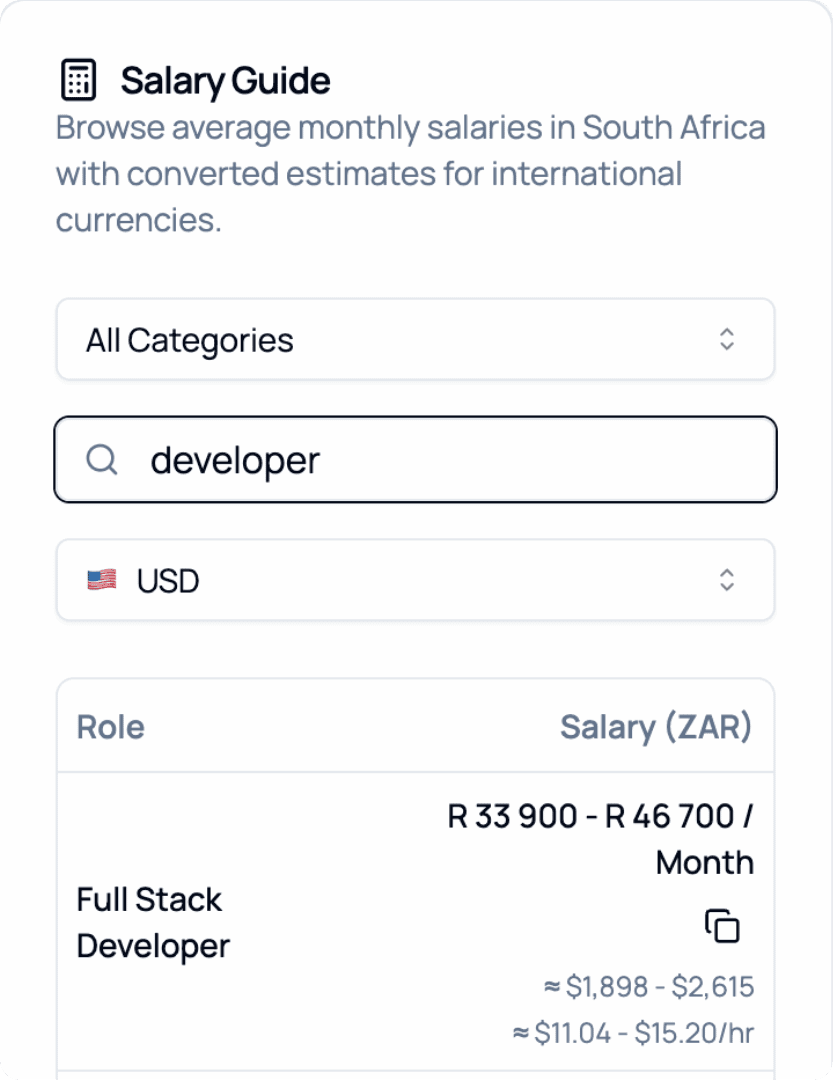
To calculate the potential cost-effectiveness of building your remote operations team, utilize the South African salary calculator to see how South African talent can help you scale profitably.
Conclusion
The reality of scaling in 2026 is that software alone cannot solve the "profit paradox" of high-growth ecommerce. While AI and automation provide the necessary infrastructure, the execution—managing the complex exceptions in reverse logistics, maintaining inventory precision, and ensuring catalog data integrity—requires a human-in-the-loop strategy.
South Africa has established itself as the "Goldilocks" solution for global brands: offering a sophisticated workforce that balances high technical capability with the cultural empathy needed for modern customer retention. By choosing to hire talent from south africa, brands can achieve a significant competitive advantage, reducing operational overhead by 40-50% while gaining a team that treats your back-end operations as a value-driver, not just a cost center.
Integrating an ecommerce virtual assistant into your workflow allows you to move from fragile, high-growth chaos to a resilient, high-profit scale that is ready for the future of global trade.
Final Actionable Checklist:
-
Audit Your Returns: If your rate is above 20%, investigate "bracketing" behavior and deploy a specialist to offer pre-purchase sizing support.
-
Fix Inventory Logic: Move from static reorder points to dynamic formulas managed by an Operations Specialist who updates lead times weekly.
-
Clean Your Catalog: Conduct a taxonomy audit immediately; if customers can’t filter by the attributes that matter most, you are losing sales.
Explore related hiring options
Useful next pages based on this article's topic:
- Remote Ecommerce Specialist role — store operations and channel performance
- Inventory Management & Forecasting service — stock planning and margin protection
2026 Salary Guide: South Africa
Discover South African Salaries by Role. Compare costs and see how much you can save.